
Reporting on news in Winnipeg, Canada
A factual overview of Winnipeg’s current affairs, local government, community developments, and daily city life.

Daily life and community updates
Community initiatives
Understanding local governance and civic decisions

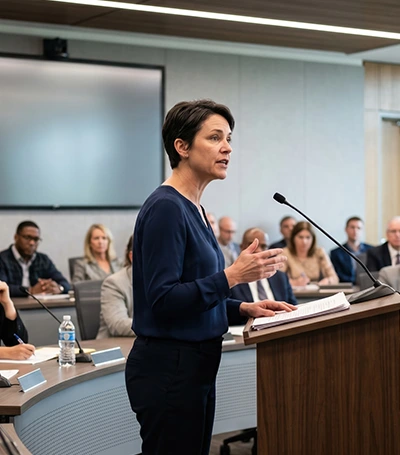
The role of city council
Municipal council debates focus on the annual city budget, land use bylaws, and public service delivery for residents.
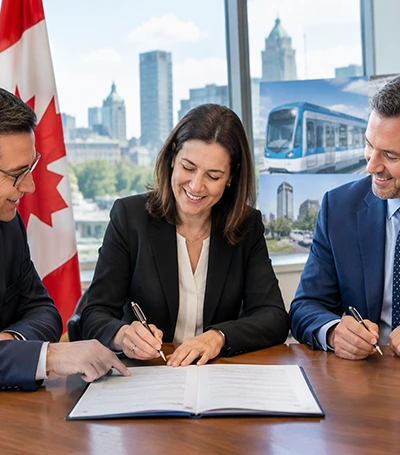
Provincial and municipal relations
Funding agreements for major infrastructure and transit projects often require close collaboration between the city and provincial government.
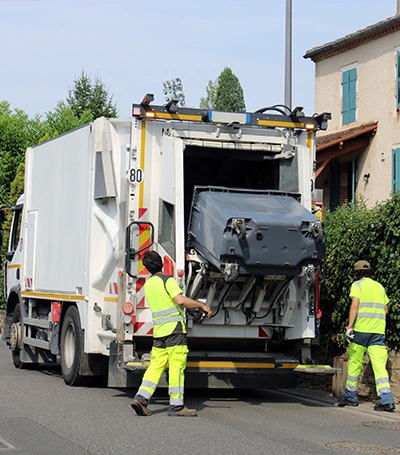
Public service administration
City departments manage core municipal services, from waste collection and water treatment to park maintenance and recreational programming for residents.
Issues
Debates
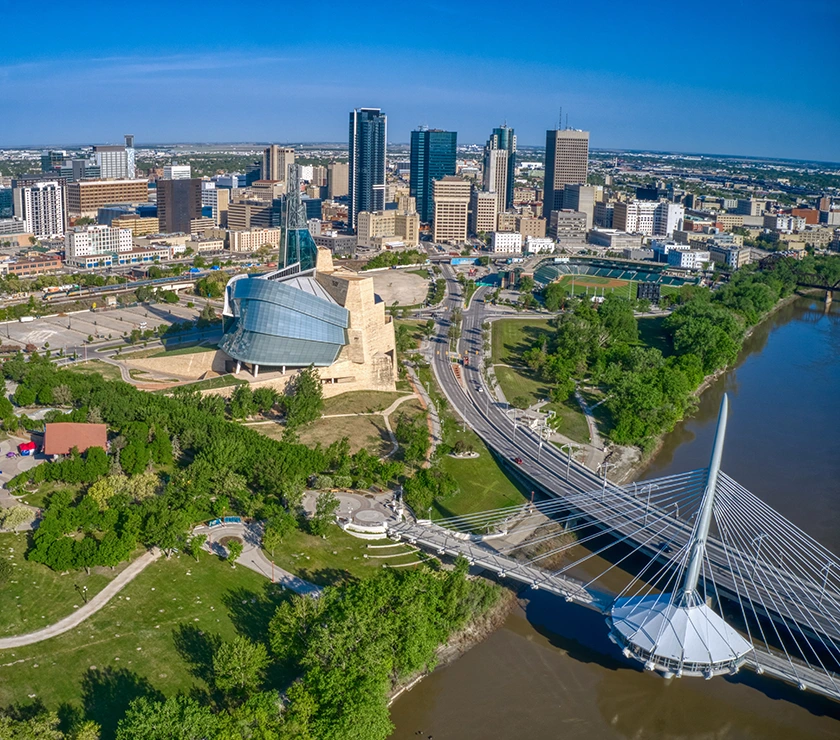

The economic landscape of the city
Winnipeg’s economy shows a diverse and resilient structure, anchored by key sectors such as aerospace, agribusiness, and finance. The city acts as a major transportation and logistics hub for central Canada, supported by its strategic geographical position. Small and medium-sized enterprises form the backbone of local commerce, particularly in retail and specialized services. Ongoing downtown revitalization efforts aim to attract new investment and talent, while industrial parks on the periphery support manufacturing and distribution operations. The economic outlook is closely tied to trends in national trade, agricultural yields, and public sector investment in large-scale projects.
Exploring the vibrant cultural and event scene
The city offers a year-round cultural calendar that reflects its diverse population and local artistic communities.

Major annual festivals
Winter’s Festival du Voyageur and summer’s Folklorama draw large crowds, celebrating heritage and multiculturalism.

The performing arts community
The Royal Winnipeg Ballet and local theatre companies present a full season of performances in downtown venues.

Museums and heritage sites
The Canadian Museum for Human Rights and The Forks National Historic Site offer insights into regional and national history.
A hub for sports and recreation
Community engagement in sports is a cornerstone of local life, spanning professional teams and neighborhood leagues. The city supports its major league hockey and football franchises, reinforcing a strong sense of civic identity. Publicly accessible sports and recreation facilities, including arenas, swimming pools, and park systems, offer year-round recreational opportunities for residents of all ages. Volunteer-run community centers organize youth sports programs and adult recreational activities. Active transportation is also encouraged through an expanding network of bike paths and walking trails connecting neighborhoods and supporting healthy lifestyles.
Environmental challenges and local climate action

Adapting to a continental climate
Preparing for extreme temperature fluctuations, heavy snowfall, and potential spring flooding from the Red River is a key local climate priority.
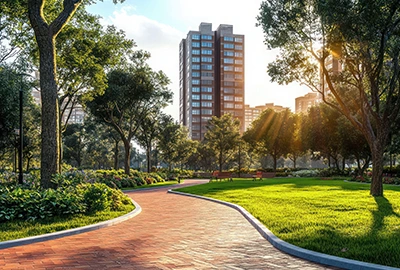
Urban green space initiatives
The city continues to invest in urban forest preservation and the development of public parks.
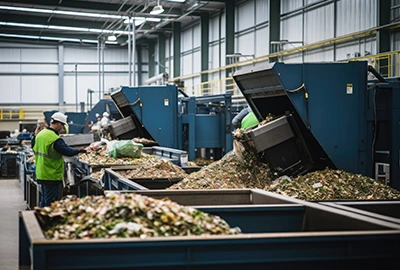
Water and Waste Management
Advanced water treatment facilities and comprehensive recycling and composting programs work to reduce Winnipeg’s environmental footprint.
Navigating transportation and infrastructure networks
The city’s transportation network combines a grid-like road system with key arterial routes such as Portage Avenue. Traffic flow during peak commute hours remains a constant focus for urban planners. Significant public investment supports road maintenance, including seasonal pothole repairs and snow clearing operations. The expansion of the public transit system, including rapid transit corridors, aims to provide viable alternatives to private vehicle use. Long-term infrastructure planning also addresses upgrades to aging bridges and overpasses to support safety and future capacity.